Why I'm Not Feeling Better (Even When I'm Doing Everything Right)

When You’re Doing Everything Right but Still Not Feeling Better
At some point many people arrive at the same frustrating question:
“Why am I not feeling better?”
Maybe you’ve tried stretching, massage, physical therapy, or chiropractic care.
Maybe you’ve worked with a healthcare provider or explored therapy for stress or mental health support.
You may even feel like you’re doing everything you’re supposed to do.
And yet something still isn’t resolving.
A headache that keeps returning.
Jaw tension that loosens for a while but slowly tightens again.
Digestive discomfort that flares during stressful weeks.
Fatigue that rest doesn’t seem to fix.
When this happens, it’s easy to assume you simply haven’t found the right treatment options yet.
But sometimes the issue isn’t that the body lacks the right treatment.
Sometimes the body simply doesn’t have enough capacity to recover.

Why Healthcare Providers Often Focus on Managing Symptoms
Most healthcare systems are designed to address symptoms directly.
A healthcare provider might help reduce pain, improve mobility, or offer strategies to manage symptoms while the body heals.
These approaches can be incredibly helpful, especially when symptoms have a clear and immediate cause.
But when something keeps returning, the symptom itself may not be the entire story.
In many cases, symptoms are simply the visible signal that the system has been carrying strain for a long time.
Understanding this difference can change the entire way we think about healing.

Why the Body Needs System Capacity to Start Feeling Better
We often think healing happens when the right treatment is applied.
But the body doesn’t actually heal that way.
Healing happens when the system itself has enough capacity to recover and reorganize.
Your nervous system coordinates almost every recovery process in the body:
circulation
muscle tone
digestion
immune function
sleep and restoration
tissue repair
When the nervous system is functioning well, the body constantly makes small adjustments that maintain balance.
Tension releases.
Energy restores.
Rhythms stabilize.
But when the system has been under strain for a long time, something different begins to happen.
The body starts using more and more of its resources simply to keep functioning.

Common Causes of System Strain in the Body
System strain doesn’t usually come from one single event.
More often it develops gradually from many small pressures accumulating over time.
Some common causes include:
prolonged stress
sensory overload
illness or injury
lack of recovery time
major life transitions
long periods of coping
Each of these experiences requires the nervous system to adapt.
At first, the body manages beautifully.
But when strain accumulates faster than the system can recover, the nervous system may begin using compensating patterns to maintain stability.

How the Body Learns to Manage Symptoms Through Compensation
Compensation is one of the body’s most intelligent survival strategies.
It allows us to keep functioning even when something isn’t fully resolved.
For example:
The jaw tightens to stabilize the neck.
Breathing becomes shallow during periods of stress.
Muscles hold tension to protect an injured area.
Posture subtly shifts to avoid discomfort.
At first these adjustments are temporary.
But when they repeat long enough, they can begin layering on top of one another.
Eventually the system may be working so hard to maintain stability that it has less capacity left for healing.

When Other Symptoms Start Appearing
When the body has been compensating for a long time, something eventually reaches the surface.
This is often when symptoms become noticeable.
A headache.
Neck tension.
Digestive discomfort.
Chronic fatigue.
The symptom gets our attention because it is visible.
But in many cases, it isn’t the original issue.
It may simply be the place where the body finally reveals how much strain the system has been carrying.
As I often explain to clients:
Symptoms rarely appear out of nowhere.
They’re usually the visible edge of compensating patterns the body has been carrying for a long time.

When Physical Symptoms Begin Affecting Thoughts and Mental Health
Many people who come to this work feel strongly that their issue is primarily physical.
They may have already been told—sometimes subtly, sometimes directly—that stress, anxiety, or negative thinking might be the real cause of their symptoms.
Often that explanation appears when medical providers simply don’t have a clear structural reason for what someone is experiencing.
But when you’re living with persistent pain, tension, fatigue, or digestive issues, it rarely feels like the problem is “in your head.”
And in many cases, it isn’t.
Physical strain in the body can directly influence the nervous system, which in turn affects how we think, feel, and process the world around us.
When the body is under ongoing strain, people often begin experiencing things like:
racing or repetitive thoughts
difficulty focusing
irritability or emotional overwhelm
increased sensitivity to noise, light, or sensory input
These experiences are not simply psychological reactions.
They are often the nervous system responding to sustained physical strain.
Over time this can create a feedback loop.
Physical tension places pressure on the system.
The system becomes more sensitive and reactive.
Sensory overload and emotional experiences increase.
The nervous system must work even harder to maintain balance.
Mental health, physical tension, sensory input, and emotional experiences all interact within the same nervous system.
When that system becomes overloaded, strain can begin showing up in many different ways at once.
This is why approaches that support the whole system can make such a difference.

Why Lifestyle Changes Alone Don’t Always Resolve Symptoms
Lifestyle changes can support healing in many ways.
Improving sleep habits, adjusting nutrition, reducing stress, and moving the body more can all help restore balance.
But when the nervous system has been compensating for a long time, these changes sometimes aren’t enough on their own.
The body may still be holding patterns of tension or protection that formed during earlier periods of strain.
Until the system has an opportunity to unwind those patterns, symptoms may continue returning.

Why Slowing the Nervous System Helps the Body Start Feeling Better
When the nervous system slows down, something important begins to happen.
Patterns that were operating quietly in the background start becoming visible.
Clients often notice things like:
a place in the body that has been holding tension for years
connections between physical symptoms and certain stress patterns
the way the body braces or tightens during particular situations
The nervous system begins showing the full pattern behind the symptom.
Once that pattern becomes visible, the body can begin releasing tension it has been holding.

How Craniosacral Therapy Supports the Body’s Natural Recovery
Craniosacral Therapy works with the nervous system at this deeper level.
Instead of forcing the body to change, the work helps the system slow down enough to observe itself clearly.
As the system settles, compensating patterns can begin unwinding.
Breathing deepens.
Muscle tone redistributes.
Circulation improves.
The body gradually begins reorganizing its internal rhythms.
A simple way to describe the process is this:
Craniosacral Therapy helps the body slow down, show the full pattern behind a symptom, unwind the tension it has been holding, and return to its natural rhythms.

Why Treatment Options Sometimes Need a Systems Approach
When symptoms persist, people often move from one treatment option to another hoping to find the right solution.
But if the system itself is carrying too much strain, isolated treatments may only provide temporary relief.
Approaching the body as a whole system allows healing to unfold differently.
Instead of chasing individual symptoms, the focus shifts to restoring the system’s capacity to reorganize itself.
When the nervous system regains enough balance, many symptoms begin changing naturally.
Understanding the Four Sources of System Strain
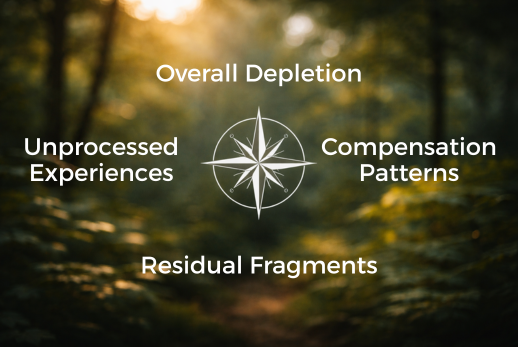
Over time I’ve noticed that persistent symptoms often fall into a few common patterns.
Sometimes the nervous system is simply carrying too much overall strain.
Other times the body has organized around compensating patterns that keep symptoms repeating.
In some cases the system is still processing experiences that never fully completed.
And sometimes the body still holds fragments of responses even after other treatments have helped.
Together these forces shape how the nervous system functions as a whole.
In future articles in this series, we’ll explore these ideas through what I call The Four Sources of System Strain.
Understanding these patterns can help explain why symptoms persist—and how the body can begin reorganizing itself again.

A Different Way to Start Feeling Better
If you’ve been wondering why something in your body isn’t resolving, it may not mean you’ve missed the right treatment.
Sometimes it simply means the system has been carrying more than it can easily process.
When the nervous system is given space to slow down and reorganize, the body often remembers something it already knows how to do.
Restore balance.
And once the system regains that capacity, healing can begin unfolding in ways that may not have seemed possible before.