The Hidden Winter Injury: When You Didn’t Fall—but Your Body Still Did

Every winter, I see a familiar pattern walk through the door.
Someone comes in with a “random” ache or pain:
A hip that suddenly feels off
A rib that won’t quite settle
Neck tension that appeared out of nowhere
A low-grade pulling sensation that doesn’t feel like a strain, but isn’t nothing either
There’s no big accident to point to.
No dramatic fall.
No moment where they thought, “Uh oh—this is bad.”
And yet, their body clearly feels different.
Often, the story sounds like this:
“I didn’t fall… but I did slip.”
“I caught myself.”
“It didn’t seem like a big deal at the time.”
This is what I’ve come to think of as a hidden winter injury—a quiet, underestimated physical event that can leave lasting effects if the body never fully reorganizes afterward.
The Slip That Didn’t Seem to Matter (But Did)
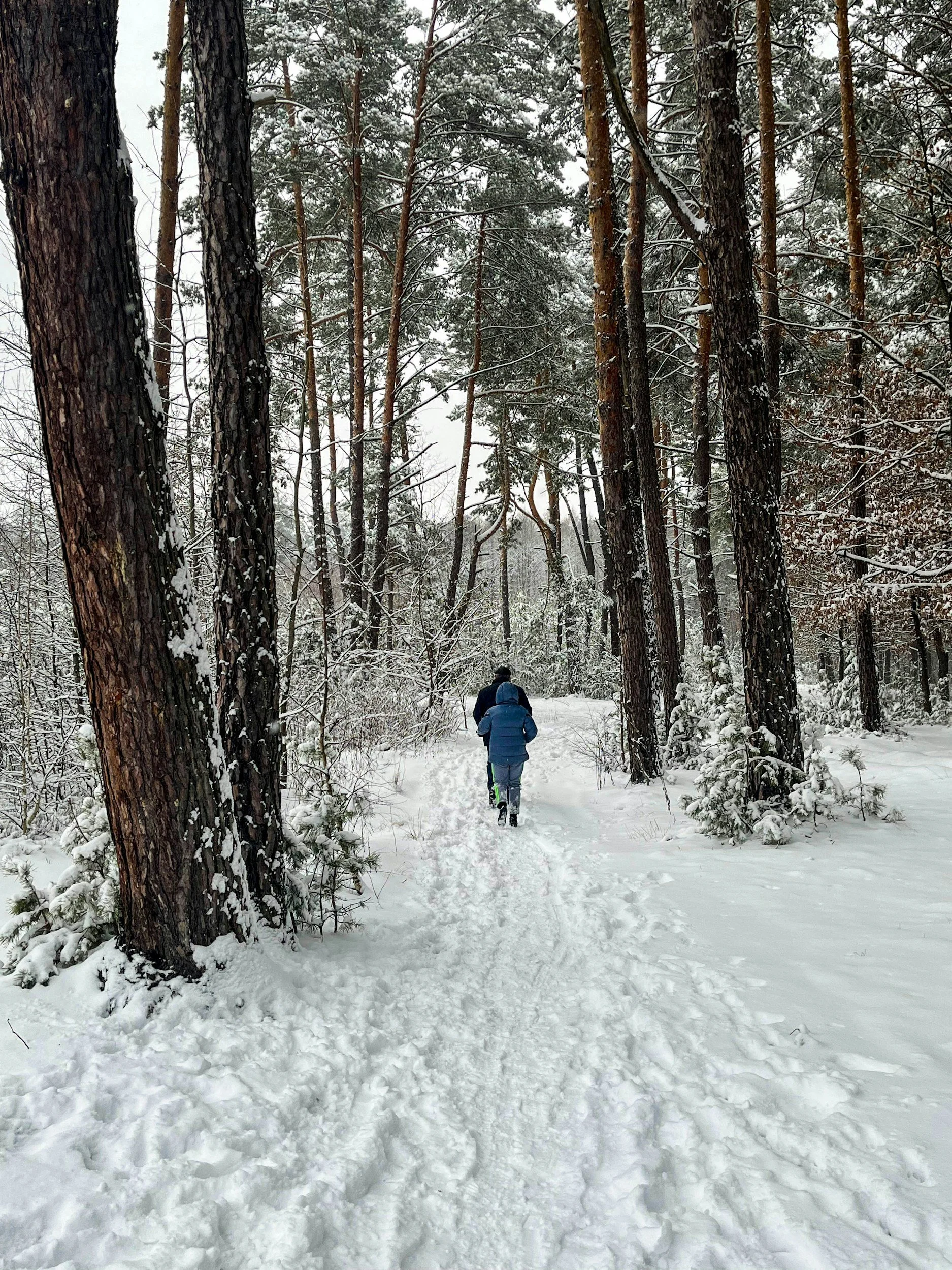
In icy climates, winter creates a unique kind of physical stress.
Sidewalks are slick.
Parking lots are unpredictable.
Stairs feel slightly treacherous.
And so the body adapts.
When you slip—even slightly—your nervous system reacts instantly. Before you have time to think, muscles fire fast and hard to keep you upright. Fascial layers tense. Joints lock. The body twists, folds, or compresses to prevent a fall.
This response is brilliant.
It’s protective.
It’s reflexive.
It’s exactly what’s supposed to happen.
The problem isn’t the bracing.
The problem is what happens after—or more accurately, what doesn’t happen.
When the Body Never Fully Lets Go
Ideally, once the threat has passed, the body should release the effort it used to stabilize itself. Muscles soften. Fascia unwinds. The system reorganizes around its center again.
But winter doesn’t give us much space for that.
We keep walking.
We keep driving.
We keep bracing—just in case it happens again.
Sometimes the body never quite gets the message that it’s safe to stand down.
Instead, certain muscles or fascial layers stay subtly engaged. They continue to pull the body into the same twist, fold, or compensation pattern that helped you avoid falling.
Over time, this creates:
Asymmetrical tension
A feeling of being “off” or crooked
Discomfort that doesn’t respond fully to stretching
Pain that seems unrelated to anything you can remember doing
Not dramatic.
Not acute.
But persistent.
Why This Feels So Confusing
One of the reasons these winter injuries go unnoticed is because they don’t follow the story we expect injuries to tell.
There’s no clear before and after.
No swelling or bruising.
No moment that feels “serious enough.”
So people assume:
It must be posture
It must be stress
It must be aging
It must be something they slept wrong
And while those factors can certainly influence how symptoms show up, they’re often secondary, not primary.
What’s really happening is a loss of whole-body organization—especially around the body’s midline.
The Midline: More Than Balance
When I talk about midline in this context, I’m not talking about balance in the sense of standing on one foot or walking in a straight line.
I’m talking about organizational balance.
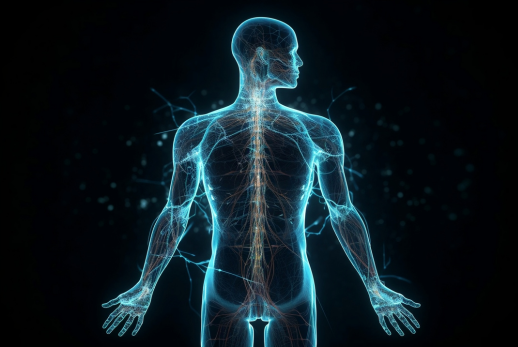
A healthy body is organized around a central axis—its midline—so that muscles work with each other instead of against each other. Force is distributed efficiently. Movement is coordinated. Effort doesn’t get stuck in one area doing too much work.
When you slip and brace, the body temporarily abandons that organization in order to protect you.
That’s appropriate in the moment.
But if the body never fully reorganizes around its midline afterward, certain muscles keep compensating long past their usefulness. This is where the discomfort builds—not because something is broken, but because the system is no longer working as a whole.
What to Do After an “Almost Fall”
If you’ve had a slip this winter—even one that didn’t seem worth mentioning—there are simple, effective ways to help your body fully reset.
The key is not just addressing the sore spot, but helping the entire system reorganize around its center again.
Here are a few practical ways to do that:
1. Stretch after the moment has passed
Not immediately in the cold or while still bracing—but later that day or the next morning. Gentle, slow stretching gives the nervous system a chance to realize the danger is over and release any lingering protective effort.
Focus on:
Side body stretches
Gentle spinal twists
Hip flexors and hamstrings
Rib cage expansion through slow breathing
The goal isn’t intensity—it’s reorientation.
2. Move in ways that restore symmetry and coordination
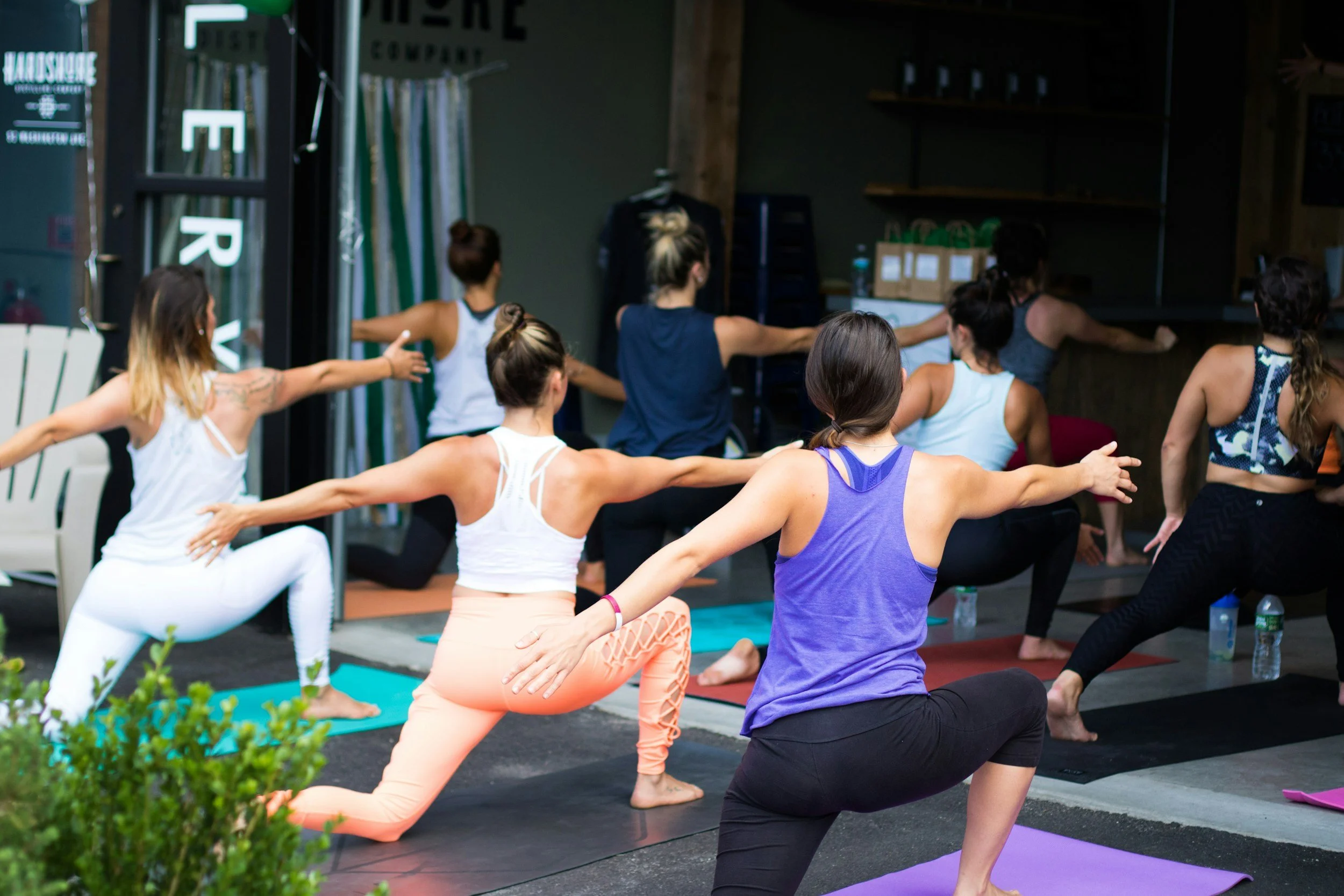
Practices like Pilates and yoga are especially helpful after slips because they emphasize:
Balanced muscle engagement
Core-to-limb coordination
Awareness of left/right differences
Reconnecting movement to breath
Even a short session can help the body remember how to organize itself efficiently again.
3. Walk slowly and deliberately for a few days
This sounds almost too simple, but it matters. Slowing your gait and letting your arms swing naturally helps re-establish cross-body coordination and midline organization—something that often gets disrupted during sudden bracing.
4. Use heat and warmth strategically
Warm showers, baths, or heating pads can help soften tissues that stayed guarded longer than necessary, making it easier for the body to let go of holding patterns.
5. Pay attention to what feels “off,” not just what hurts
Sometimes the most important clue isn’t pain—it’s asymmetry. Feeling twisted, compressed, or uneven is often a sign the system hasn’t fully reorganized yet.
And if you’ve tried these approaches and something still feels stuck…

When the Body Needs Help Reorganizing as a Whole
Sometimes stretching and movement are enough.
And sometimes, they aren’t—especially if the nervous system is still subtly guarding against a threat that has long passed.
This is where Craniosacral Therapy can be helpful.
Rather than focusing on a single tight muscle or painful spot, CST works with how the entire body is organizing itself—supporting the nervous system as it releases protective patterns and re-establishes balance around the midline.
For many people, this feels like the missing step:
not more effort, but integration.
It’s not about correcting the body.
It’s about giving it the conditions it needs to finish what it started when it protected you.
Why This Physical Story Matters Beyond the Body
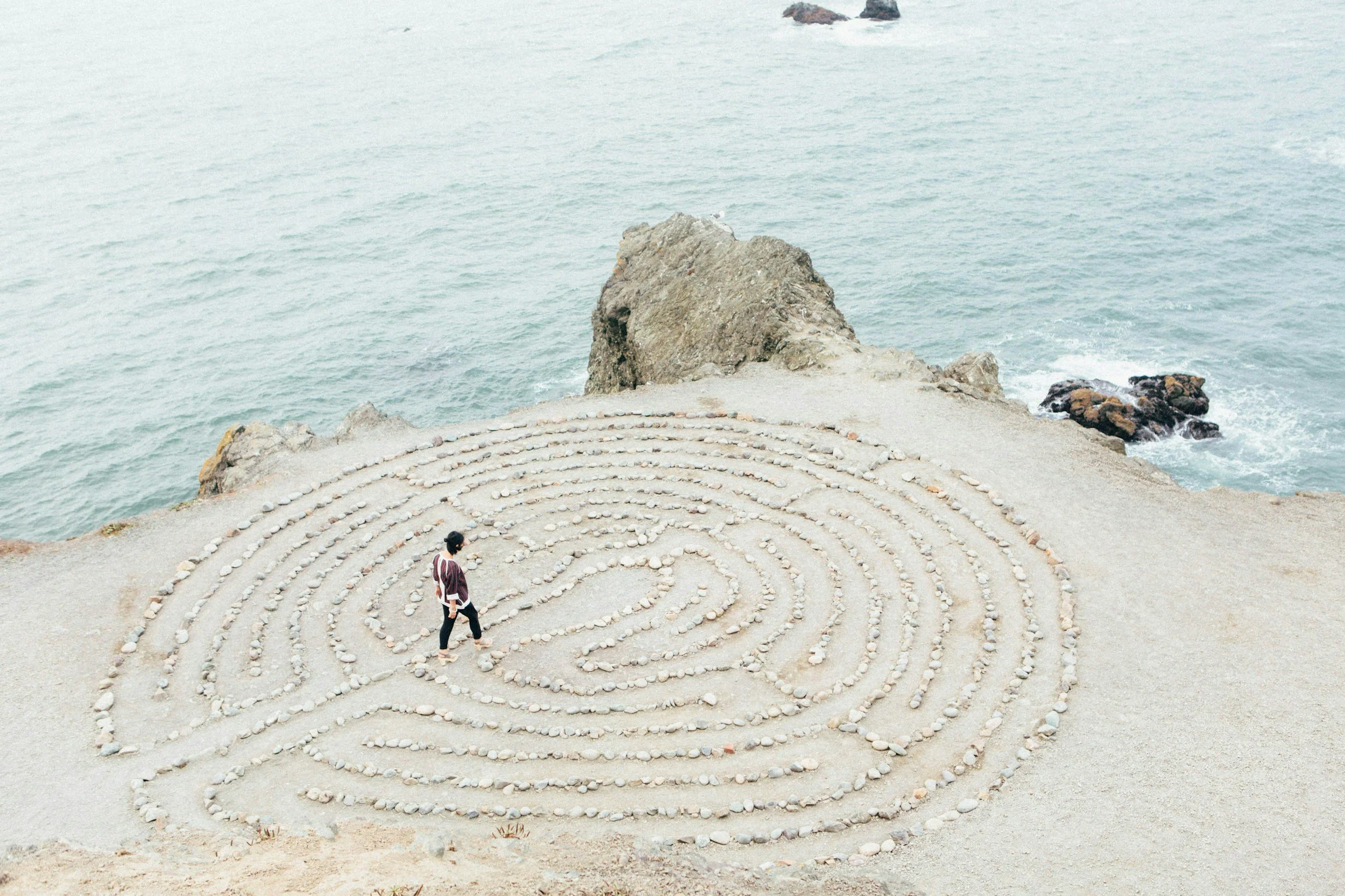
What I appreciate about this winter-slip pattern is how clearly it illustrates something much bigger.
The body doesn’t just lose midline organization physically.
It can lose it mentally and emotionally too.
Just as a physical slip can create compensatory holding, life events—stress, grief, pressure, uncertainty—can cause us to brace internally. We adapt. We cope. We hold ourselves together.
And sometimes, long after the moment has passed, the system is still organizing around protection instead of coherence.
That’s a deeper conversation—and one worth its own space—but understanding it starts with noticing how normal and subtle these patterns can be.

The Quiet Invitation of Winter
Winter has a way of revealing what hasn’t fully resolved.
The cold slows us down.
The environment demands more from our bodies.
Old compensations become harder to ignore.
If you’ve been feeling a vague, unexplained discomfort this season—especially after slips that “didn’t count”—it may not be random at all.
It may simply be your system asking for the chance to reorganize.
Not by trying harder.
Not by forcing correction.
But by allowing the body to finish what it started when it protected you.
Why “Nothing Happened” Is Often the Whole Story
If this resonates, consider it an invitation—not a diagnosis.
An invitation to notice how your body adapted.
An invitation to support whole-body organization, not just symptom relief.
An invitation to understand why approaches like Craniosacral Therapy work with the entire system, even when the issue seems local.